KotorArt
International festival
Friday, July 17
Kotor Creative Hub, 9:30 p.m.
NEITHER HOME NOR ON THE ROAD
Participants:
DANKA IVANOVIĆ, writer
ILIJA ĐUROVIĆ
STEFAN BOŠKOVIĆ, writer and dramaturge
JASMINA BAJO, philologist and senior librarian
Moderator: MAJA MRĐENOVIĆ, philologist, literary theorist, and theater scholar
Program
17. jul, 2026.
“In 2026, although collective identity is often regarded as a “worn-out” topic in contemporary debates, this is not the case in post-socialist Montenegro. Deeply entrenched and remarkably resilient regressive social myths continue to shape the country’s cultural landscape. Among these, in addition to patriotism, militarism, and the enduring significance of the figure of the Ruler, the elitist myth of Montenegrin superiority occupies a particularly prominent place. By contrast, the narrators and protagonists of contemporary Montenegrin novels: Prazne kuće [Empty Houses] by Danka Ivanović, Sampas by Ilija Đurović, and Mjesto rođenja [Place of Birth] by Stefan Bošković, refuse to accept these inherited “givens.” Instead, they diligently search for their identity, continuously constructing and deconstructing their sense of self, often from positions marked by vulnerability, anxiety, discomfort, pain, and even profound dissociation. These seeking existences, like the seemingly gentle force of still waters, gradually widen the cracks in collectivist mythologies and in the petrified “vertical structures” of the provincial cultural and mental framework. Such cracks become spaces of unease, sources of guilt, and seemingly unfillable voids.
Although these novels are primarily introspective, the openings and ruptures within and around their protagonists also reveal a lucid and critical portrait of contemporary Montenegro – fragmentary and mosaic-like, yet with X-ray precision. Ultimately, the sharp, poisonous shards of the palanka spirit, marked by insularity, self-sufficiency, and exclusivism, remain embedded both in the protagonists and in the world that surrounds them. Yet the gap between collective narratives and individual experience has been exposed, and that is more than enough. The resulting space of identity liminality is undoubtedly destabilizing, but it also constitutes the only conceivable path toward more authentic forms of identity and more meaningful modes of belonging, freed from any Procrustean meta-narrative.”
Maja Mrđenović
Artists
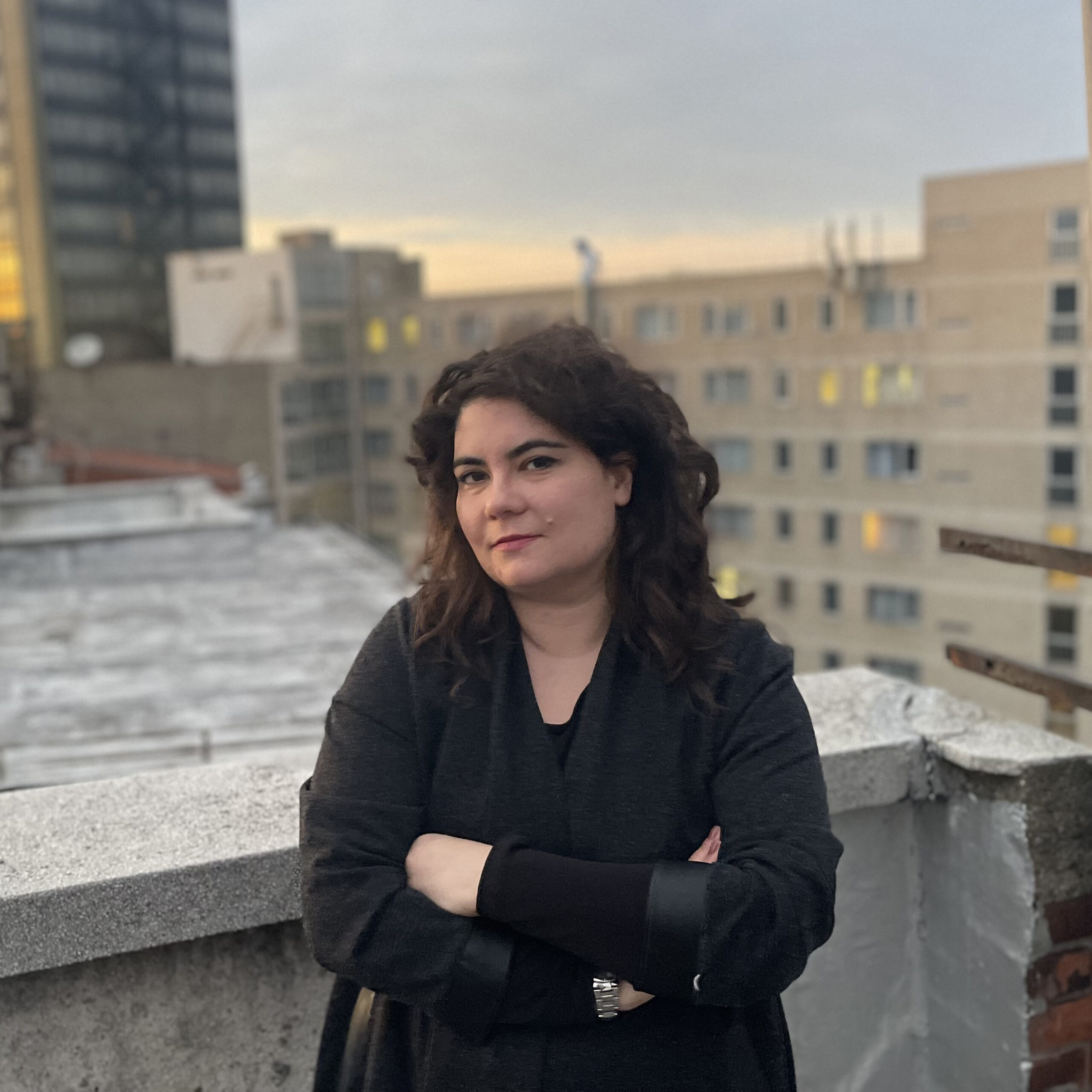
Danka Ivanović completed her undergraduate and master’s studies in French Language and Literature at the University of Belgrade and KU Leuven. She is currently pursuing a PhD in Literature at the Faculty of Philology, University of Belgrade. She translates from French, and her literary reviews and poetry have been published in the journals Polja, Ulaznica, Beogradski Književni Časopis, and Književna Istorija, as well as on literary websites and in the Tajni Grad poetry anthology (Enklava, 2021). Her debut novel Prazne Kuće was released in 2024. In 2025, it was a finalist for the regional Štefica Cvek Award and was also shortlisted for the prestigious NIN Award for Novel of the Year.
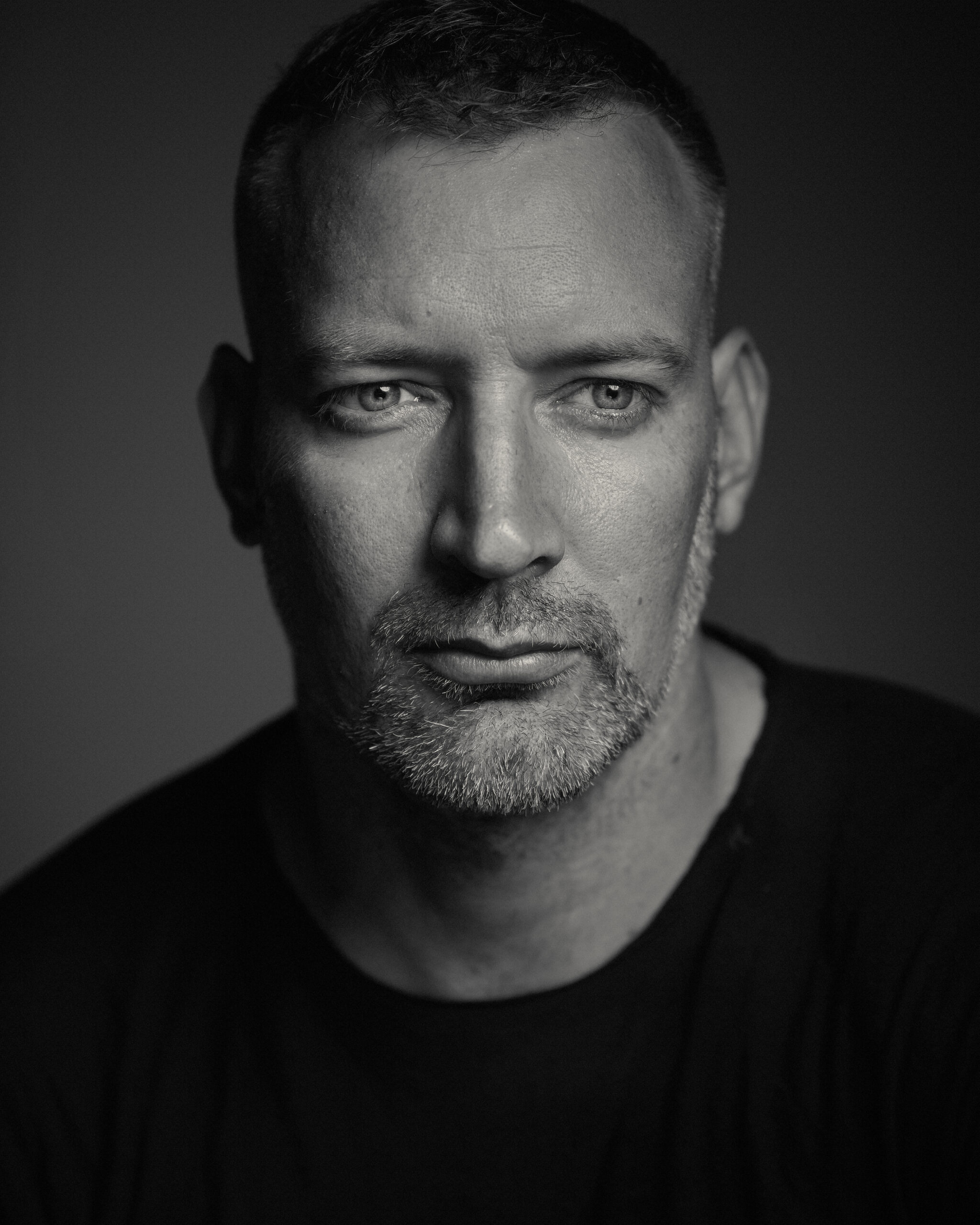
Stefan Bošković, a writer, dramaturge, and screenwriter, made his literary debut with the novel Šamaranje, which won the 2014 award for the best unpublished novel in Montenegro. His novel Ministar earned him the European Union Prize for Literature in 2020, as well as the CEI Award for Young Writers in 2021, establishing him as one of the most important contemporary authors in the region. He is also the author of the short-story collection Transparentne Životinje, from which one story was included in the American anthology Best European Fiction 2019 (Dalkey Archive Press). His short story Fashion and Friends received an award at the European Short Story Festival. His most recent novel, Mjesto Rođenja, was published this year. His prose has been translated into numerous languages, including English, German, Italian, Chinese, Russian, and Albanian, and has appeared in international literary journals and anthologies. In addition to his literary work, Stefan Bošković has built an ongoing career in film and television. He is the author and screenwriter of the feature film Nedelja (2024), a biographical film about the popular singer Džej Ramadanovski. The feature film Vidra (2025), for which he wrote the screenplay, had its world premiere at the Sarajevo Film Festival. He works as a dramaturge at the Montenegrin National Theater.
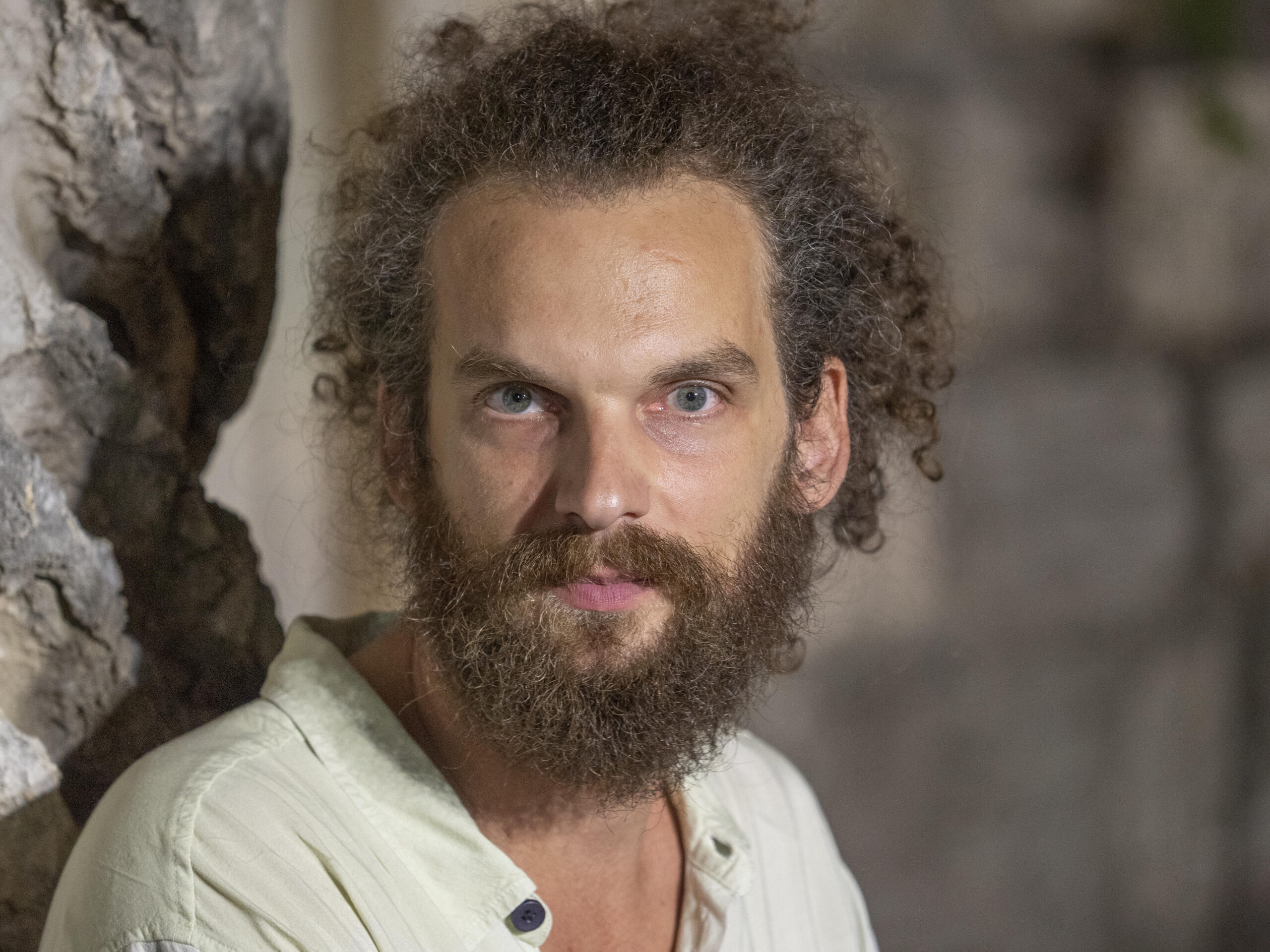
Ilija Đurović is a poet, fiction writer, and screenwriter. He is the author of the award-winning poetry collection Brid (Treći trg, Belgrade) and the novel Sampas, which was shortlisted for the NIN Award, the Meša Selimović Award, and the European Union Prize for Literature. German translations of both Brid and Sampas have been published by the Austrian publisher Drava/Wieser Verlag. He is also the author of two short-story collections and the poetry collection Ostaci Straha, published by Raštan (Belgrade) in 2025. Ilija Đurović is active as a dramaturge and screenwriter. Several of his plays have received awards in playwriting competitions, and some have been staged on Montenegro’s independent theater scene, including Sobe and Uspavani. As a dramaturge, he has worked on a number of notable theater productions, including Sobe, Ana Karenjina, and Ujka Vanja. In film, he has collaborated on several short and feature-length projects and co-directed the short film Ada. Since 2013, Đurović has been based in Berlin, where he works as an independent artist. He regularly publishes essays and columns in newspapers and magazines, including Berliner Zeitung (Germany), Disenz (Slovenia), the Croatian weekly Novosti, and the Montenegrin online platform Normalizuj.
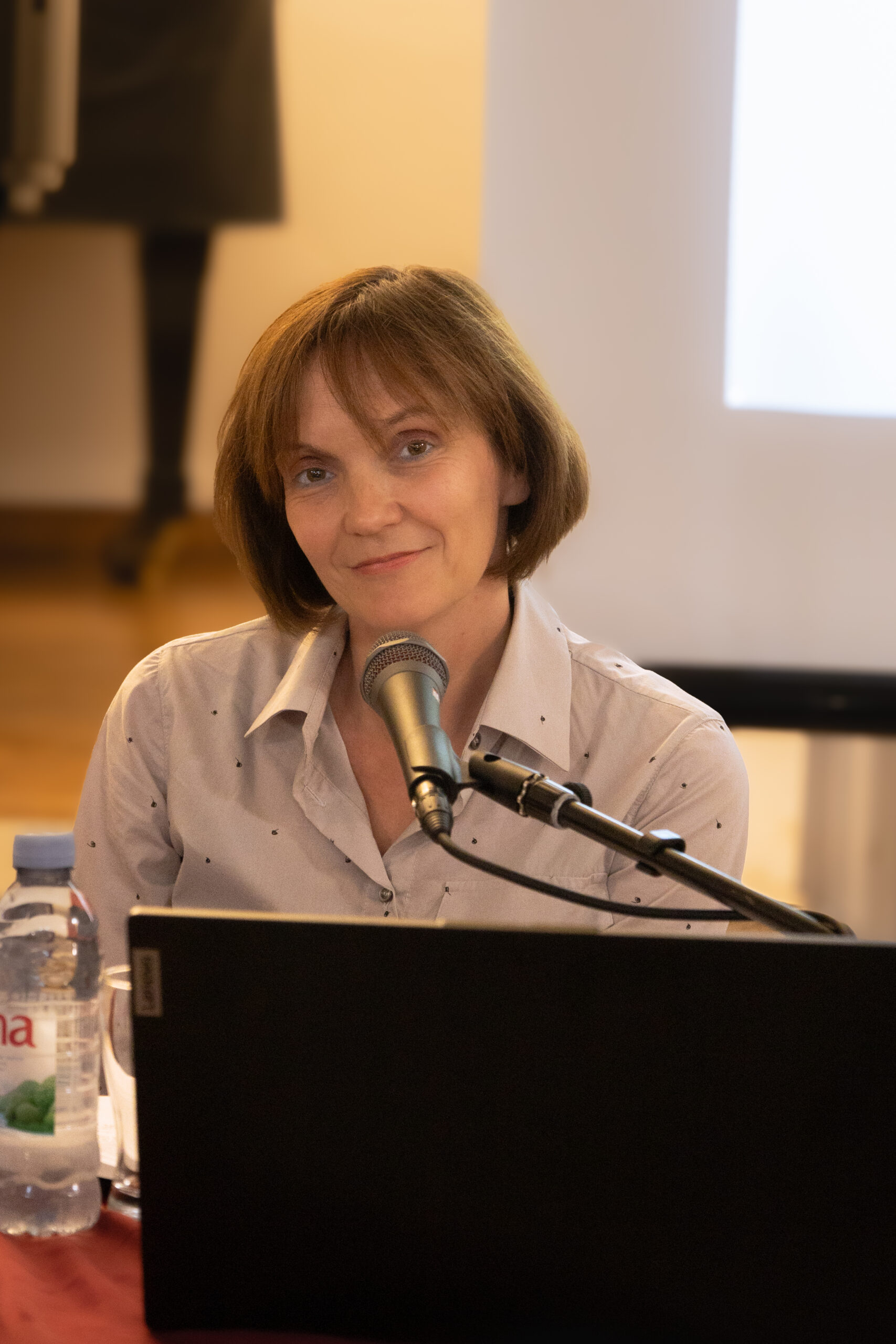
Jasmina Bajo completed gymnasium studies in Kotor before graduating from the Faculty of Philology at the University of Belgrade, specializing in Serbian Literature and South Slavic Literatures, with a particular focus on Serbian Literature and Language within General Literature. Her graduating thesis was Kotor and the People of Kotor in Paskvalić’s Poetry. She completed her master’s studies at the Faculty of Philology at the University of Belgrade with a thesis on Shakespeare and Laza Kostić – Character Traits and Dramatic Techniques, earning the academic title of Master of Philology in Serbian Language and Literature. Since 2004, Jasmina Bajo has worked as a librarian at the City Library and Reading Room in Kotor. In 2018, she obtained the professional title of Library Advisor. Jasmina Bajo has participated in numerous domestic, regional, and international professional conferences. Her works have been published in conference proceedings as well as in other professional publications and journals. Jasmina Bajo served as President of the Montenegrin Librarians Association between 2019 and June 2026.
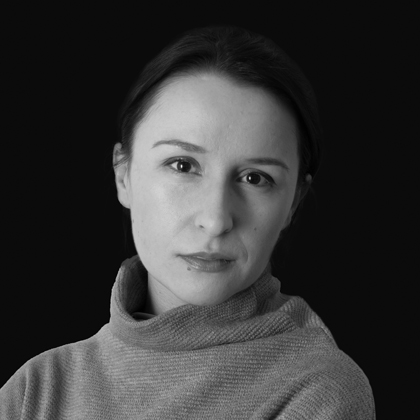
Maja Mrđenović, theater researcher and critic, graduated from the Department of General Literature and Literary Theory at the Faculty of Philology, University of Belgrade, where she also defended her master’s thesis. She obtained a master’s degree in Theater Production from the Faculty of Dramatic Arts in Cetinje. Currently, Maja Mrđenović is a doctoral student in the final year of the doctoral studies program in the Theory of Dramatic Arts, Media, and Culture at the Faculty of Dramatic Arts in Belgrade. She has served as a Teaching Assistant at the Faculty of Montenegrin Language and Literature in Cetinje, a Theater Critic for the Montenegrin Pobjeda daily newspaper, a member of the editorial board and contributor to the Montenegrin journal for theater, culture, and performing arts Gest, and as the Editor of the Theoretical Program and a Moderator of discussions on performances at the Kotor Festival of Theater for Children. Maja Mrđenović is one of the founders and editors of the electronic theater journal Peripetija.me. She is the author of the book Pola Porcije u Pola Cijene: Pozorište za Djecu i Mlade u Crnoj Gori (2019). She has also been involved as a discussion leader on performances, a selector and a jury member at several theater festivals in Montenegro and the region, and has served as a mediator in numerous roundtable discussions and conferences. Maja Mrđenović is a member of the Association of Theater Critics and Theaterologists of Montenegro.