KotorArt
International festival
Monday, July 20
Mazarović Palace, Perast, 9:00 p.m.
WHAT IS HAPPENING TO OUR PAST?
The Past in Time – Conflicting Politics of Memory
Participants:
Prof. Dr. DRAGAN PROLE, faculty of philosophy, university of novi sad
HRVOJE KLASIĆ, Faculty of Humanities and Social Sciences, University of Zagreb
MILIVOJ BEŠLIN, historian and Senior Research Fellow at the Institute for Philosophy and Social Theory, University of Belgrade
Moderator: PAULA PETRIČEVIĆ, philosophy teacher at the Kotor Grammar School
Program
July 20, 2026
“Why is our past so uncertain? In a different way than the future, the past also appears, in a certain sense, unpredictable and elusive, constantly shifting and reconfiguring itself in accordance with the needs of the present. How does the past differ from history, history from historiography, and historiography from heritage? Unsteadily positioned along these conceptual fault lines, and largely unaware of their seriousness, we repeatedly fall into them as into traps, whether in the form of historical revisionism or in the processes of musealization, mummification, and commodification of cultural heritage. The discussions of this year’s Philosophers’ Square will be centered on temporality – the fundamental condition and structure of human existence, and on the ways in which we can conceptualize both our individual and collective historicity.
We will discuss the past as a dynamic and unstable condition of both present and future – specifically, the “expansion of memory” and the risks that proliferating selective and unreflective reinterpretations of the past may pose to the communities shaped by them. This raises the question of the relationship between history and memory – are they segments of a unified process, or distinct, even opposing, structures? Nearly a decade of violent warfare in the territories once known as Yugoslavia was made possible by turning the past into a weapon and transforming its reinterpretations into ammunition. Have the instrumentalization and political use of collective memory effectively kidnapped the future? And does an over-saturation of the past ultimately prevent its responsible and authentic reflection? Even today, more than three decades later, the political monetization of the past shows no signs of weakening in its power, hypnotic persuasiveness, or capacity to mobilize hatred and violence. Is a sustainable future possible without a basic consensus on the status, meaning, and significance of the past? In what ways do irreconcilable visions of the past perpetuate present conflicts and become factories of resentment that fuel the machinery of violence?”
Paula Petričević
Participants
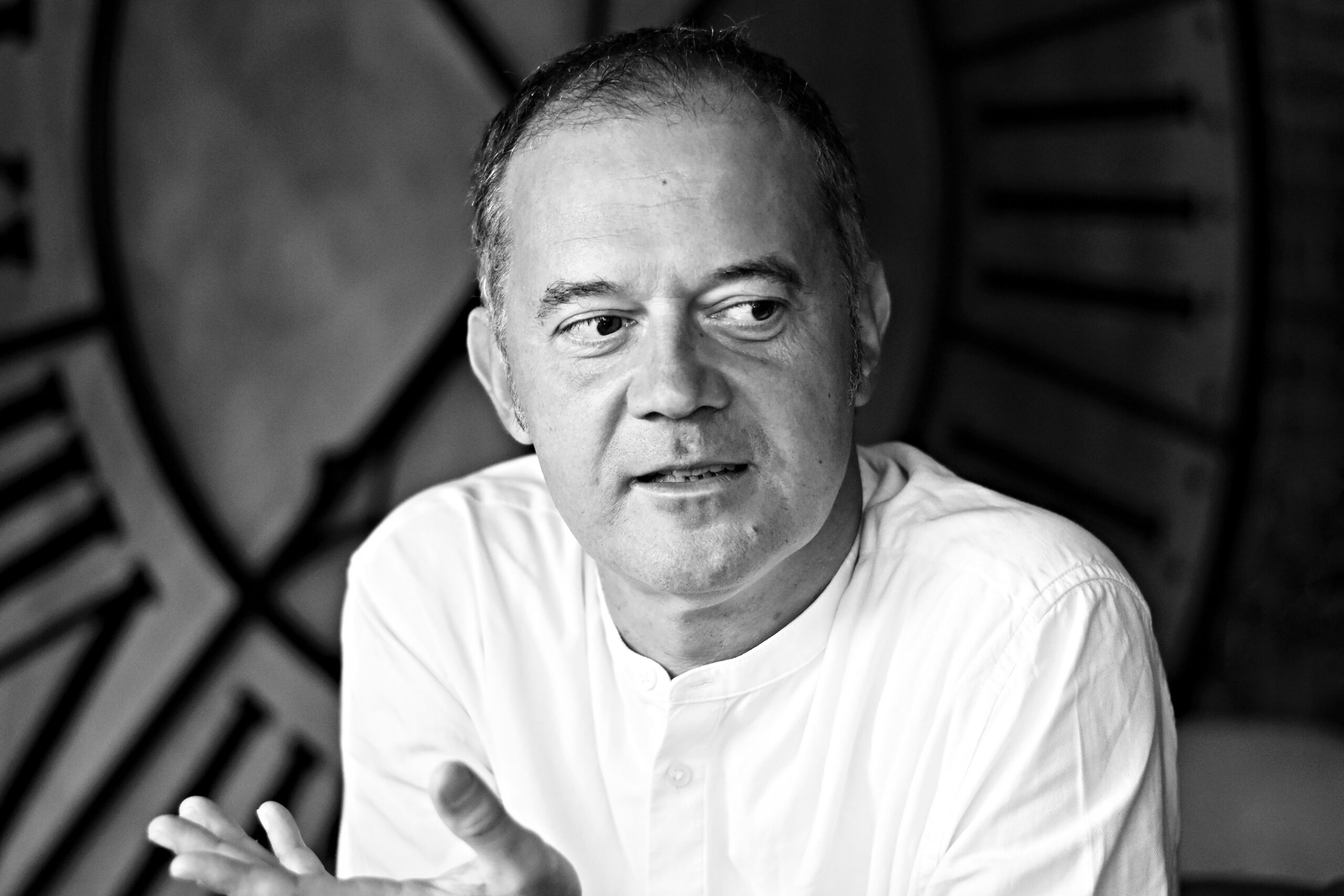
Dragan Prole, a Full Professor at the Department of Philosophy, Faculty of Philosophy in Novi Sad, has delivered commissioned lectures and seminars across Austria, Germany, Belgium, the Czech Republic, Greece, Slovenia, Sweden, Croatia, Montenegro, and Hungary. He has published eleven monographs and has received five awards for his scholarly work: Husserl’s Phenomenological Ontology (2002), Mind and History: Heidegger and Hegel (2007), The Strangeness of Being: Contributions to Phenomenological Ontology (2010), The Humanity of the Stranger (2011), The Inner Foreign Land: A Philosophical Reflection on Romanticism (2013), and The Cave Turn (2024). Together with Goran Rujević, he co-edited the English-language volume Personhood (2020), and with Alpar Lošonac he has co-authored five additional books. Dragan Prole serves as the Principal Investigator of the research project Tradition of Philosophy Teaching (No. 179007, Ministry of Education, Science, and Technological Development of Serbia) and Ethos of Early Serbian Modernity (Matica Srpska, Novi Sad). He is a member of several professional associations and international editorial boards, including Conatus (Athens), Phainomena (Ljubljana), Philotheos (Belgrade), and Društveni pregled (Sarajevo). He has published more than 140 scholarly articles in national and international journals.
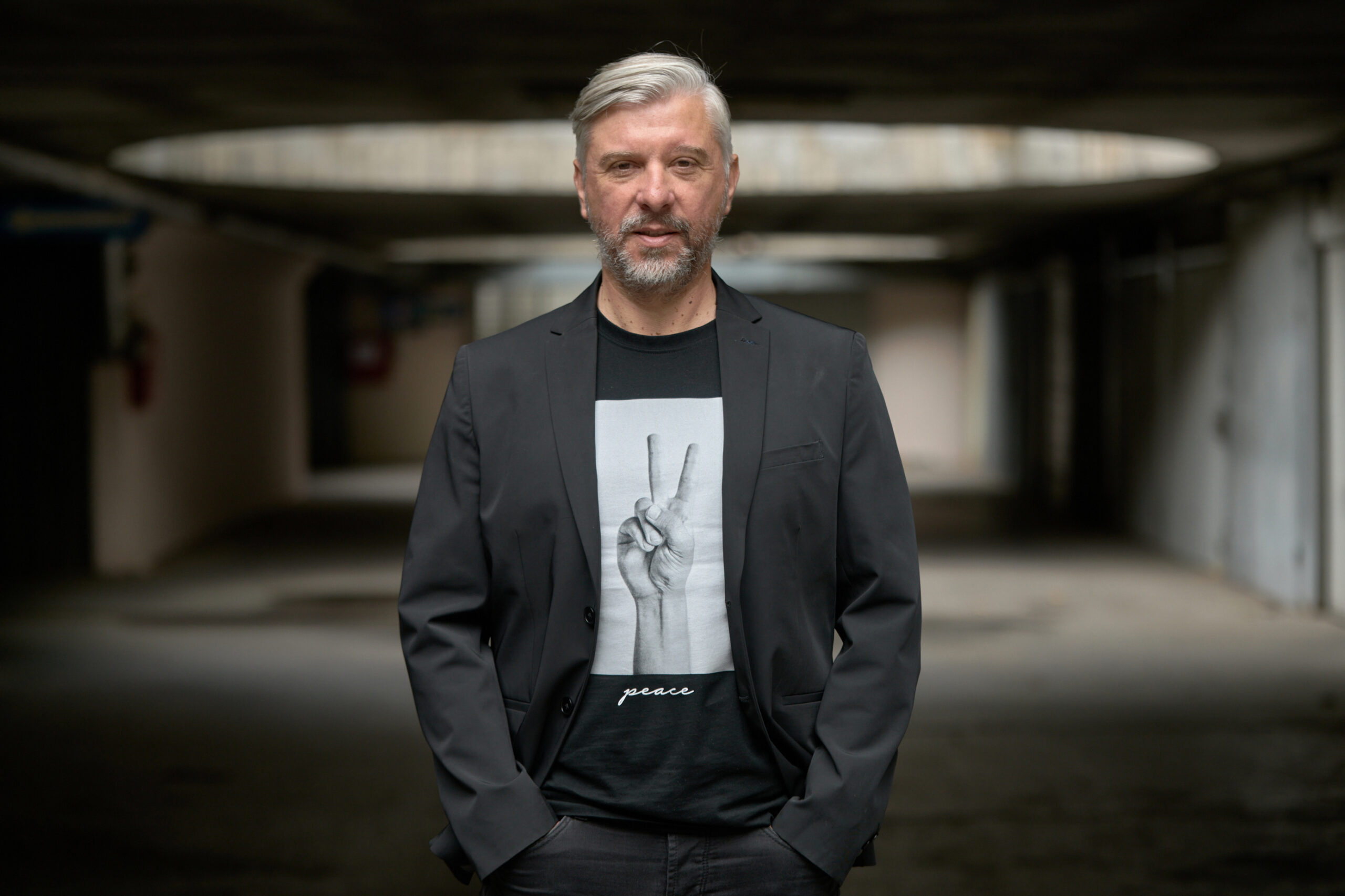
Hrvoje Klasić, completed his primary and secondary education in Sisak and earned his BA, MA, and PhD at the Faculty of Humanities and Social Sciences, University of Zagreb. He teaches courses in Croatian and World History of the 20th century at the same faculty. He is the recipient of the Annual Award of the Association of University Teachers and Scholars in Zagreb (2006), the City of Sisak Annual Award for his book Hrvatsko Proljeće u Sisku (2006), the Svetozar Pribičević Award for the promotion of Croatian-Serbian relations (2017), the Krunoslav Sukić Recognition for the promotion of peace, non-violence, and human rights (2019), and the City of Zagreb Annual Award (2022). Hrvoje Klasić is the author of the documentary series Hrvatsko Proljeće (2010), Nezavisna Država Hrvatska (2020), Partizani (2024), and Titova Jugoslavija (2026). He has authored the books Hrvatsko proljeće u Sisku (2006), Jugoslavija i svijet 1968. (2012), Bijelo na Crno. Lekcije iz Prošlosti za Budućnost (2019), Mika Špiljak – Revolucionar i Državnik (2019), and Crveno na Crno (2021), and is a co-author of the book Zagreb Većeslava Holjevca od 1952. do 1963: Urbanistička Vizija i Arhitektonski Dosezi (2021). He is a long-standing columnist in the Croatian media and the author and host of the program Kontrapovijest on Vida TV.
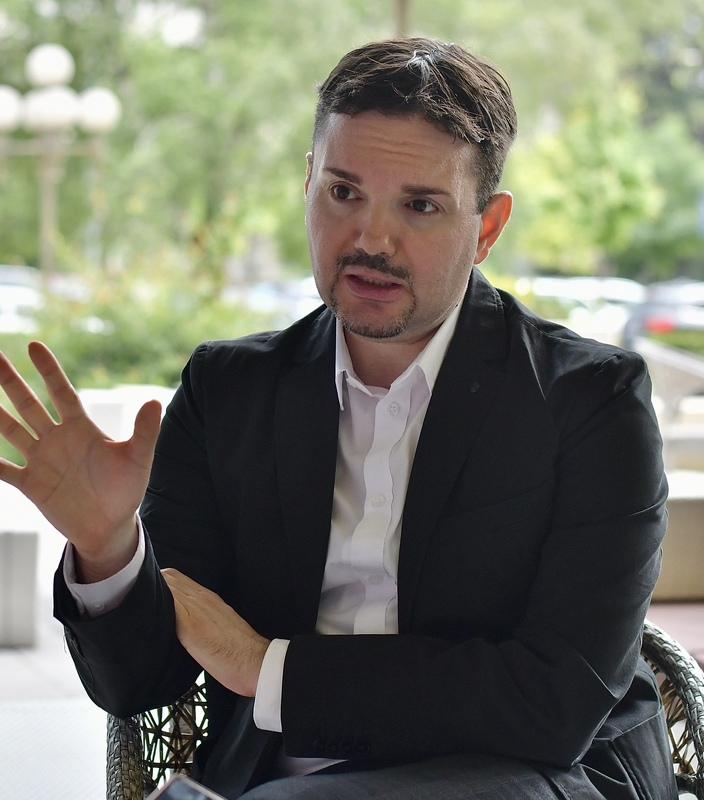
Milivoj Bešlin, a historian and Senior Research Associate at the Institute for Philosophy and Social Theory, University of Belgrade, also taught at the Faculty of Philosophy, University of Montenegro in 2017–2018. He is the author of the two-volume monograph Ideja Moderne Srbije u Socijalističkoj Jugoslaviji, as well as more than one hundred scholarly studies, articles, essays, and reviews published in national and international academic journals and collections of papers. He is the editor of seven collected volumes and has participated in numerous academic conferences and scholarly meetings. He is the coordinator of the project Imagining a Nation: The Contesting Serbian National Narratives (XX – XXI centuries), funded by the Science Fund of the Republic of Serbia, and the founder and coordinator of the Laboratory for the Study of Socialism and (Post-)Yugoslav Studies (YugoLab) at IFDT. His research covers a broad range of topics in the political and social history of Yugoslavia, with a particular focus on nationalism and its role in the dissolution of Yugoslavia, as well as on the ways in which nationalist ideologies shape political processes, identity formation, and interethnic relations in both Yugoslav and post-Yugoslav contexts. His scholarly work also includes methodological studies on the exploration of Yugoslavia’s historical experience, with particular emphasis on epistemological limits and interpretative challenges in the post-socialist period.
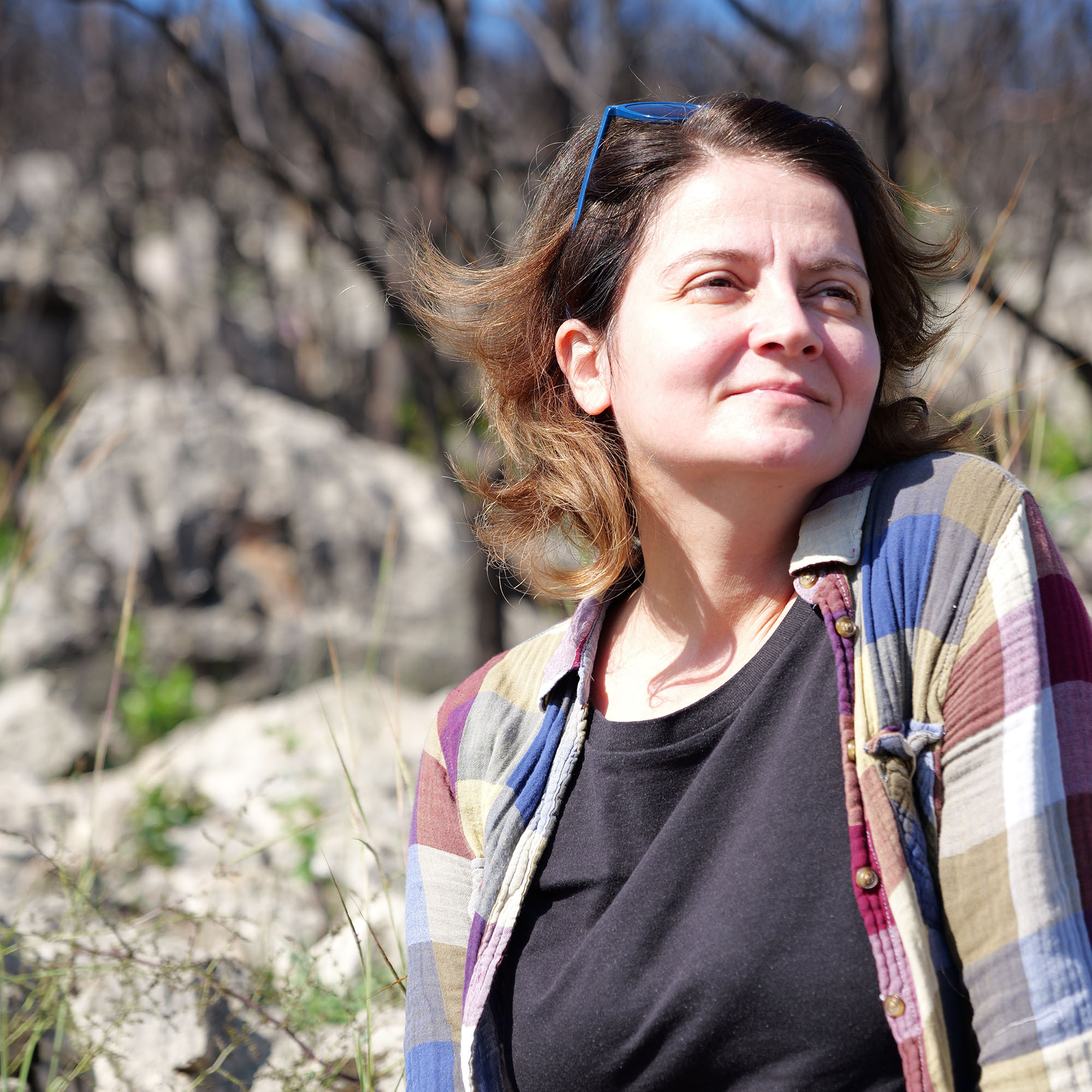
Paula Petričević, a philosopher, feminist, and activist, graduated in Philosophy from the Faculty of Philosophy, University of Belgrade. She holds a Master’s degree in Political Science and is a PhD candidate at the Faculty of Political Science at the same university. She has served as Program Director of the Center for Civic Education and as a lecturer in Women’s Studies, organized by Anima – Center for Women’s and Peace Education. She was a columnist for the daily newspaper Vijesti (2010–2017). Paula Petričević teaches Philosophy at the Grammar School in Kotor and at the Vida Matjan Secondary Music School. She also works as ombudswoman for the weekly Monitor (2014–2026) and the daily Vijesti (2015–2026). Her research and theoretical work focuses on gender theory, media ethics, human rights, critiques of nationalism, the analysis of feminist legacies, and anti-gender movements. She publishes in national and international academic and public forums and contributes to regional platforms such as Medfeminiswiya and Kosovo 2.0. In 2019, she served as Editor of the Philosophers’ Square program segment at the KotorArt Festival.